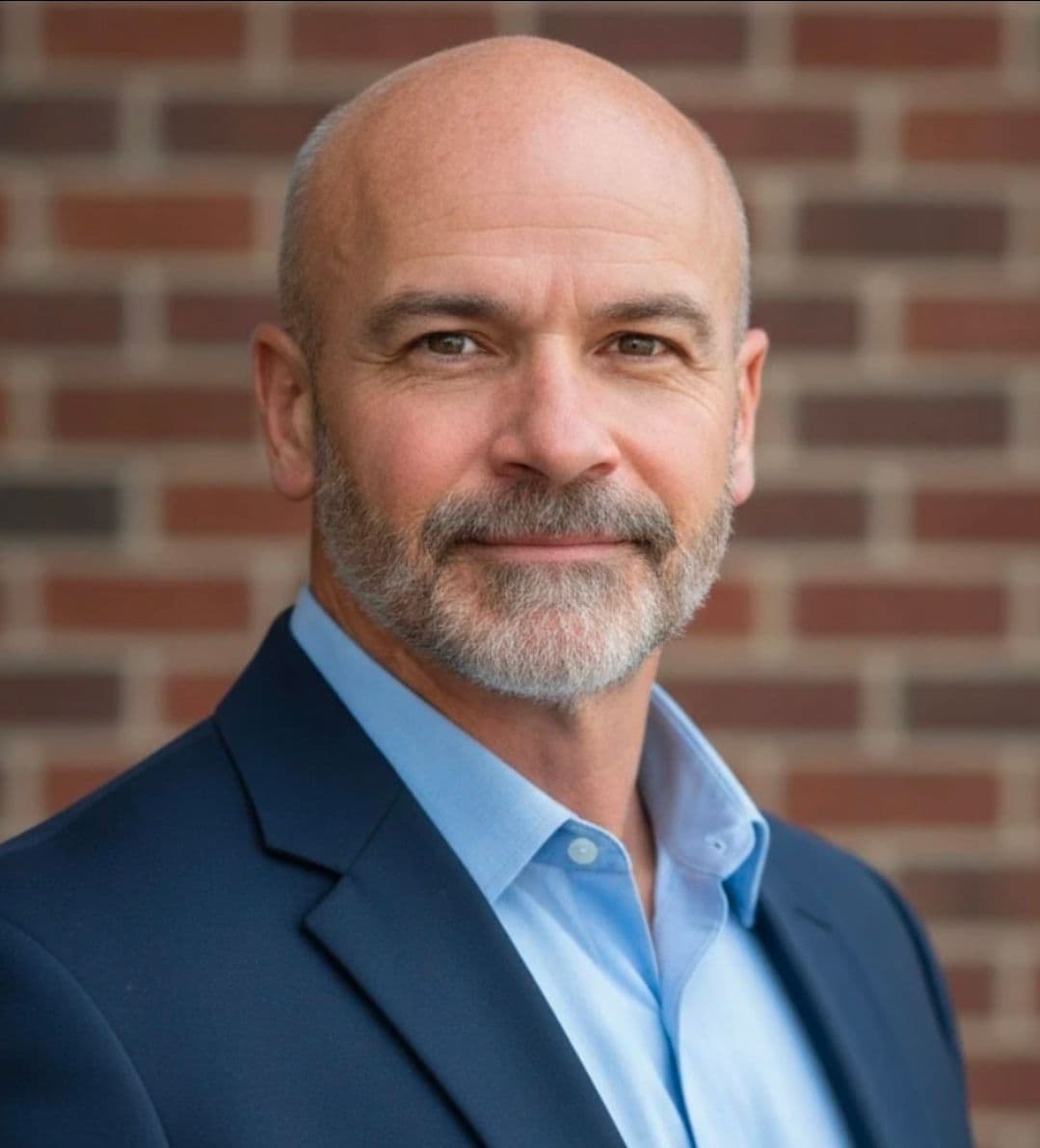
Stephen B. Mooney, MD
Founder & Medical Director
Stephen B. Mooney, MD is the founder and medical director of Recalibrate Medicine and of MOONEY MD Center for Reproductive Care. He is fellowship-trained in reproductive endocrinology at Stanford University Medical Center and has more than 30 years of experience as a physician.
His philosophy in patient care is direct: medicine should help you do more than avoid disease. It should help you live exceptionally well.
For more than three decades, Dr. Mooney has practiced at the intersection of hormones, human physiology, reproductive medicine, and highly individualized care. Most patients do not simply want to know whether their lab results fall inside a reference range. They want to know why they no longer feel like themselves, why their energy has changed, and what they can do now to stay strong, sharp, and engaged with life as they get older. Those questions are why he created Recalibrate Medicine.
Advanced training in hormonal medicine
Dr. Mooney earned his medical degree from Northeastern Ohio Universities College of Medicine, now Northeast Ohio Medical University, in 1995. He completed his residency in obstetrics and gynecology at Summa Health System in Akron, Ohio, then completed fellowship training in reproductive endocrinology at Stanford University Medical Center in Palo Alto, California.
At Stanford, he studied the relationship between hormones, reproductive physiology, ovarian function, fertility, and human biology. His work during that period contributed to peer-reviewed research on in vitro fertilization, ovarian stimulation, and reproductive biology, including research published in Fertility and Sterility. Hormones have never been just a side interest in his career.
More than 30 years of experience
There is a difference between learning how to prescribe hormones and spending decades caring for patients whose health depends on understanding them. Dr. Mooney has spent more than 30 years evaluating complex physiology, interpreting laboratory data, managing hormonal treatment, and helping patients make deeply personal medical decisions.
As a specialist in reproductive endocrinology, he has cared for men, women, couples, and families facing some of the most difficult reproductive and hormonal problems in medicine. That experience shaped a principle at the center of Recalibrate Medicine: numbers alone never tell the whole story. Symptoms, history, lifestyle, relationships, goals, risk, and how you actually feel and function all matter.
From reproductive endocrinology to precision medicine
After decades of work with hormonal physiology, Dr. Mooney began asking a broader question. Why should careful hormone management be reserved for fertility patients and people who already have a diagnosis? The same discipline applies more widely: detailed history-taking, thorough laboratory evaluation, individualized treatment, and long-term monitoring can help people stay healthier and more capable as they age.
Recalibrate Medicine is built for people who are not satisfied with hearing that their labs are normal, especially when they know something has changed. The goal is to look deeper, at how hormones, metabolism, body composition, sexual health, cardiovascular risk, recovery, sleep, and cognition interact, and then to build a strategy around the person rather than fitting the person into a standard protocol.
Physician-led care, not algorithm-led care
Dr. Mooney does not treat hormone care as one prescription repeated indefinitely. He treats it as an ongoing clinical process: evaluate, understand, treat, measure, reassess, and recalibrate. Your symptoms are read alongside your laboratory findings, your treatment is considered in the context of your history and risk profile, your response is measured, and your plan changes as your physiology, circumstances, and goals change.
To recalibrate means to make careful adjustments that restore accuracy and proper function. That is the intent behind the name.
Areas of clinical focus
Dr. Mooney's work centers on physician-guided care in testosterone replacement and male hormone optimization, perimenopause and menopause care, female hormone replacement therapy, sexual health and vitality, metabolic health and body composition, weight management, cardiometabolic risk assessment, comprehensive biomarker interpretation, performance and recovery, healthy aging and longevity medicine, peptide-based therapies when medically appropriate, and individualized monitoring over time.
Two people can have similar laboratory values and still need very different conversations. A 42-year-old executive losing energy, muscle, and motivation does not need the same plan as a 57-year-old man focused on cardiovascular risk, and no two women entering perimenopause need identical care simply because they are the same age. After three decades in medicine, Dr. Mooney looks for those differences. That is where individualized care begins.
Why patients choose Dr. Mooney
Beyond the training and the years in practice, patients come to Dr. Mooney for a simple reason. He believes you deserve to understand your own physiology and take part in decisions about your health. You should know what the plan is meant to accomplish, why it was chosen, how progress will be measured, and what changes if it is not working.
He also believes that hearing your symptoms are normal for your age should not end the conversation. Sometimes it is the reason to start one. If your energy, strength, metabolism, sexual health, mental sharpness, or recovery is not what it once was, the first step is understanding what is happening. Measure it, understand it, and build a physician-guided strategy from there.
Ready to begin?
Stop Guessing and Start Recalibrating
You don't have to accept feeling more tired, less focused or less like yourself. And you don't need another person telling you everything looks “normal.” You know better. You're here.
Your next decade doesn't have to be a lesser version of your last one
Start My RecalibrationNo one-size-fits-all protocol. No preconceived medication mandate. Just a conversation with Stephen B. Mooney, MD.